Applications for Corrosive Fluid Transport in the Electroplating Industry

Engineered for the harshest industrial fluids. Zero leaks, dry-running capable, and 100% explosion-proof. We pump lifespan, not breakdown.

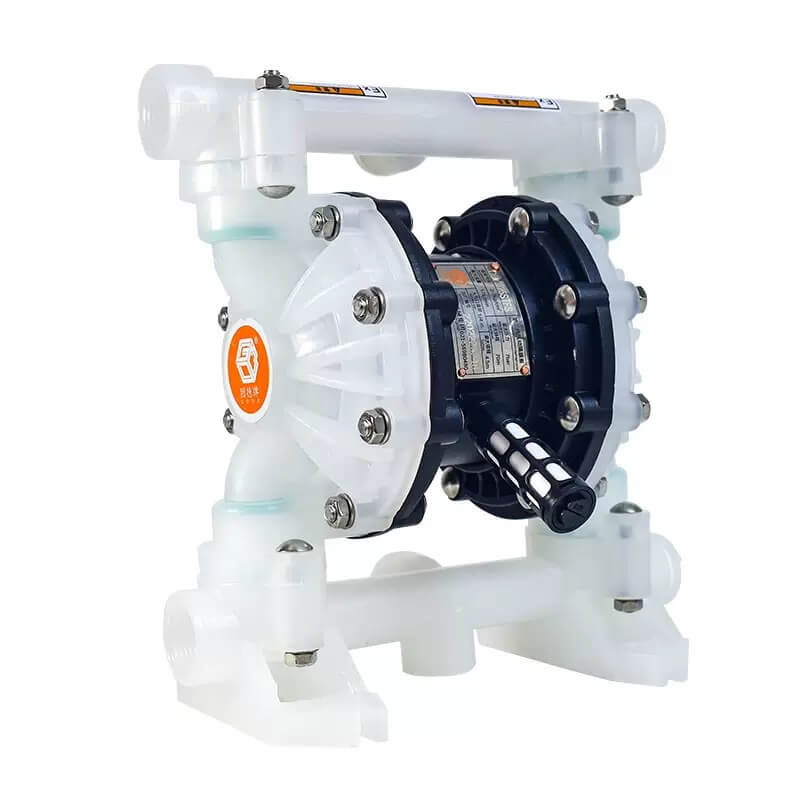
Explosion-proof pneumatic double diaphragm pump with safe dry-running capability for hazardous environments

What is Electroplating Industry

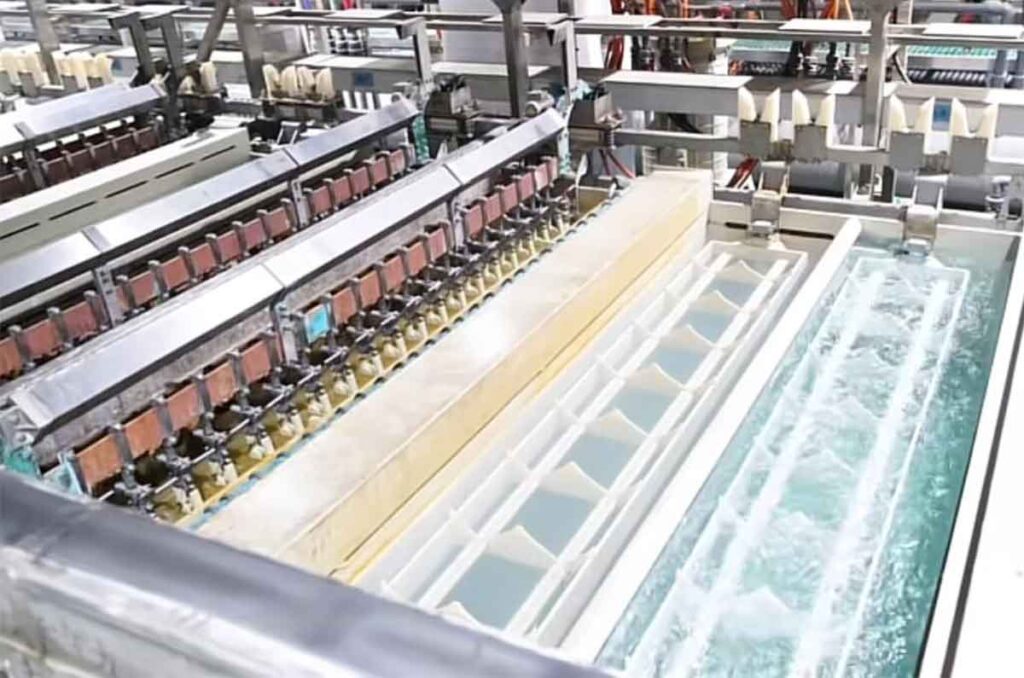
The electroplating process comprises three core stages: pre-treatment, electroplating, and post-treatment. Industrial pumps serve as the “circulatory heart” of the electroplating industry, operating across all stages—from pre-treatment to post-treatment—and are primarily responsible for the transport, circulation, and filtration of various chemical solutions.

Pre-plating treatment

Mechanical and electrochemical treatments are employed to grind the workpiece surface until it is smooth and flat, and to remove surface grease, oxides, and other contaminants. During this process, industrial pumps are primarily responsible for transporting chemical agents—such as strong acids and alkalis—to clean and activate the workpiece.

Electroplating stage

The workpiece is placed in an electroplating bath, where the principle of electrolysis is used to deposit a metal coating onto its surface. In this step, industrial pumps are primarily used for the circulation and filtration of the main bath solution, the dosing of additives, and other related tasks.

Post-plating treatment

This stage primarily involves cleaning the workpiece surface and passivating or sealing the coating through chemical treatment. The pumps used in this step are mainly designed for pumping clean water or passivation solutions, as well as for transporting the large volumes of wastewater generated during the electroplating process.
what is Pain Points in Corrosive Fluid Transport

Risk of leakage

With traditional pumps using mechanical seals, leakage is highly likely to occur as the seals wear down over time during operation.

Process mismatch

Pump requirements vary widely across different process stages; selecting the wrong pump not only impacts performance but can also prove fatal to the production line.

Frequent clogging

Electroplating wastewater often contains various impurities—such as anode sludge, plating residues, and crystals—that frequently cause clogging; using standard magnetic drive pumps makes the system prone to blockages and equipment wear.

Frequent downtime

When traditional pumps operate over extended periods under harsh conditions—characterized by strong corrosion, high temperatures, and the presence of particulates—core components such as the pump body suffer rapid wear; the resulting frequent shutdowns incur high costs and impair production efficiency.

Liquid Transfer Solutions for the Electroplating Industry

Pump Selection for Different Electroplating Stages


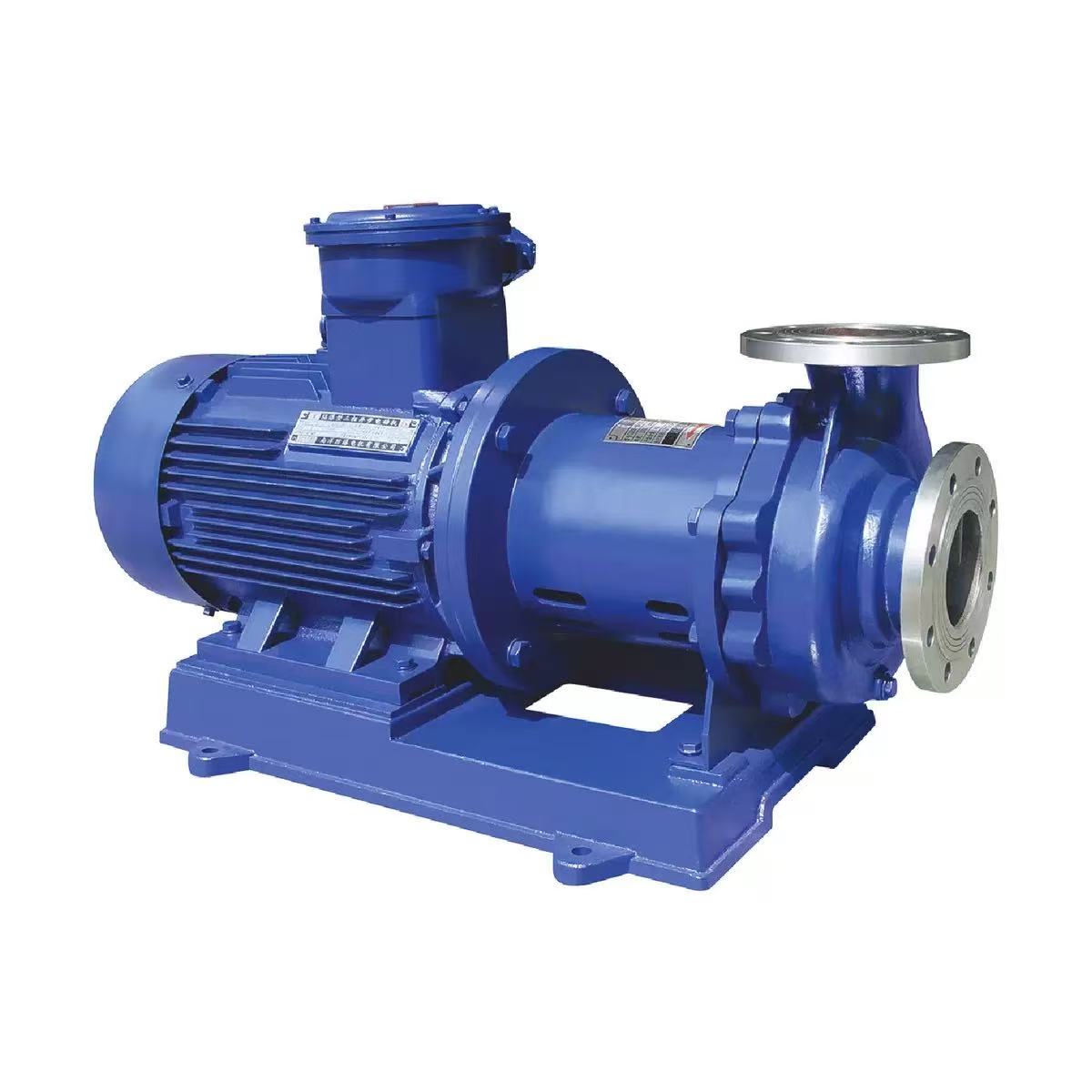
Pre-plating: Pre-treatment fluids are typically highly acidic or alkaline, highly corrosive, and potentially contain impurities; therefore, pumps require corrosion resistance, reliable sealing, stable transfer performance, and the ability to handle complex fluids. Generally, if the medium is clean, magnetic drive pumps are the preferred choice; their “seal-less” design ensures absolute zero leakage, maintenance-free operation, stability, and a long service life. While air-operated double-diaphragm (AODD) pumps are corrosion-resistant and leak-proof, they exhibit flow pulsation and require a stable air supply; in contrast, magnetic drive pumps operate more smoothly and offer higher efficiency in continuous transfer applications. If the medium contains impurities, AODD pumps are preferred; in addition to corrosion resistance and zero leakage, they excel at handling complex fluids, offer strong self-priming capabilities, can run dry, and adapt well to harsh operating conditions.

Plating process: The goal of electroplating is to achieve a bright, smooth coating by maintaining the purity and uniform composition of the plating bath. Consequently, the core requirements for industrial pumps in this stage are uninterrupted stable operation, zero leakage, and corrosion resistance. Magnetic drive pumps are the preferred choice for main tank circulation and filtration when handling strong acids, strong alkalis, or toxic/hazardous media, as their magnetic coupling mechanism ensures true zero leakage. For chemical dosing and replenishment—where precise metering is required to maintain bath stability—AODD pumps are recommended; they offer corrosion resistance, dry-running capability, and the ability to handle complex fluids, alongside precise metering and low-shear operation.

Post-plating: Post-plating operations involve the recovery and treatment of large volumes of acidic or alkaline wastewater containing precious metals. Magnetic drive pumps are widely used in these wastewater treatment systems due to their corrosion resistance and zero-leakage characteristics. However, if the wastewater has high viscosity or contains impurities, AODD pumps are more suitable due to their superior ability to handle complex fluids. During passivation and sealing processes, where chemical solutions containing small amounts of solid additives must be circulated, the low-shear capability and solids-handling performance of pneumatic diaphragm pumps are particularly critical.

Selecting the right pump involves a comprehensive evaluation of the pumped medium, the specific process, and operational requirements. As this is a complex task, please contact our professional engineers for an assessment

Piping and Material Selection


In addition to the pump itself, the piping materials used throughout the conveyance system must also be compatible with the fluid being transported.

PP/PPH (Polypropylene) piping: Lightweight, resistant to common acids and alkalis, and easy to install; suitable for transporting weak acid or weak alkali solutions at ambient temperatures, such as general rinse water and wastewater.

PVDF/PTFE/PFA (Fluoroplastic) piping: Resistant to strong acids, strong alkalis, organic solvents, and high temperatures; suitable for transporting high-purity or highly corrosive liquids, such as electroplating solutions, etchants, and high-purity acids.

UPVC/CPVC (Rigid PVC/Chlorinated PVC) piping: Flame-retardant, electrically insulating, and cost-effective; commonly used for electroplating wastewater and rinse water systems at ambient temperatures. CPVC is a modified version of UPVC that offers superior temperature resistance and greater resistance to oxidizing media.

Plastic-lined or fluoroplastic-lined piping: Combines the structural strength of metal piping with the corrosion resistance of plastics; offers a high cost-performance ratio and is suitable for large-diameter, high-pressure applications. Widely used in main pipeline systems for transporting acidic/alkaline liquids and wastewater in electroplating workshops.

Conductive piping: When transporting flammable or explosive organic solvents or dust, anti-static piping—such as conductive polyethylene—must be used to prevent hazards caused by static electricity accumulation.

Metal flexible hoses: Used to connect equipment such as pumps and valves and to absorb vibration and displacement; typically made of 304 or 316L stainless steel, offering both corrosion resistance and flexibility.

Intelligent Control and Prediction


IoT Remote Monitoring: Sensors installed on equipment such as magnetic drive pumps and pneumatic diaphragm pumps provide real-time monitoring; the system automatically issues an alert when data anomalies occur, thereby preventing unplanned downtime.

Intelligent Dosing System: Links metering pumps with online water quality analyzers to automatically adjust dosing flow rates based on real-time chemical concentration monitoring, preventing reagent waste and reducing costs.

Mudisen China Pump-Related Products

水处理厂污水输送系统中使用的气动隔膜泵
Pneumatic diaphragm
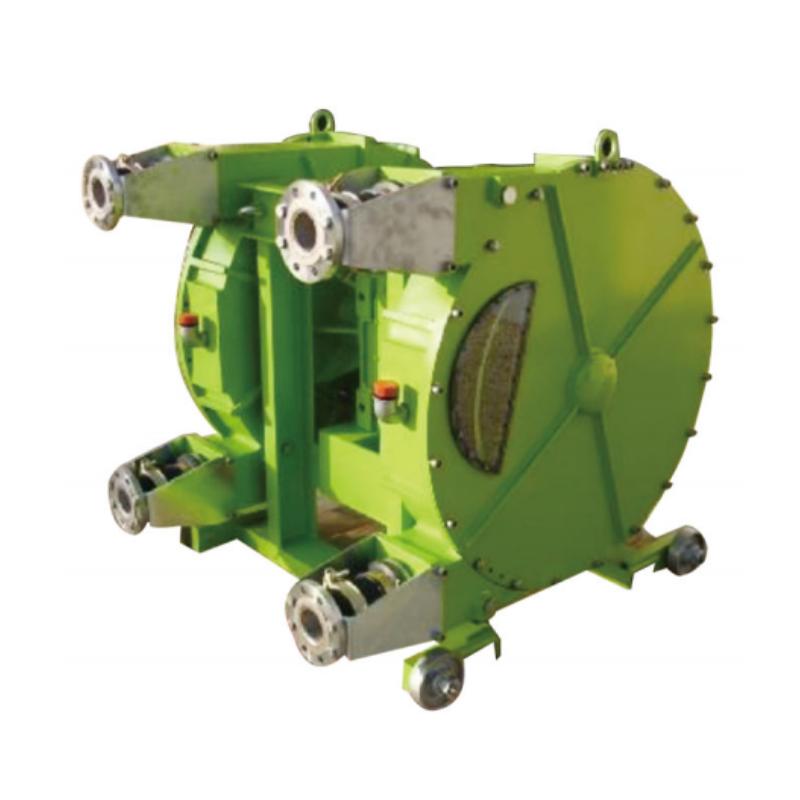
Heavy-duty flexible pumps are widely used in municipal sewage, industrial wastewater, and sludge treatment systems. They are commonly used for sludge transport, wastewater dosing systems, and pretreatment before sludge dewatering. Traditional pumps are prone to clogging when the sludge has a high solids content.
Magnetic drive pump
Food waste treatment processes often involve large amounts of high-viscosity organic slurry, solid-liquid mixtures, and easily entangled materials. Traditional pumps are prone to clogging, jamming, or severe wear. Heavy-duty flexible pumps, with their non-clogging design, can reliably transport materials containing fibers and particles.
Hose pump
In the chemical slurry industry, extremely high safety and leak-free operation are required, and the materials are sensitive to shear stress. Flexible hose pumps feature a leak-free delivery structure, and the hoses can be made of materials suitable for strong acid and alkali environments while possessing low shear capacity. Flexible hose pumps are widely used for conveying chemical reaction slurries.

Frequently Asked Questions

Why do liquid leakage issues occur?

Generally speaking, leakage can result from seal failure, corrosion-induced perforation of the pump casing or piping, or improper installation and operation. Mechanical seals or gland packing in conventional pumps are prone to aging and wear when handling highly corrosive, high-temperature, or particle-laden media, leading to leaks. Leakage may also occur due to material-process incompatibility or the selection of unsuitable materials, resulting in pump casing corrosion. Additionally, loose piping connections or inadequate temperature control can cause leakage issues. Therefore, please consult our professional engineers for an assessment Guideduring the pump selection stage.

What causes a sudden increase in vibration or noise while the pump is running?

A sudden increase in vibration during pump operation often signals one of the following issues: Bearing wear: After prolonged operation, bearing clearances increase, leading to a noticeable rise in vibration and noise. Impeller imbalance: Impurities or scale deposits in the pumped plating solution cause corrosion, wear, or uneven buildup on the impeller, resulting in imbalance during rotation. Excessive submerged length: For submersible pumps, an excessively long submerged section reduces shaft rigidity, intensifying oscillation and vibration during operation. Changes in operating conditions: Variations in the plating solution's concentration, temperature, or particle content alter the forces acting on the impeller, leading to increased vibration.

For fluid transfer applications in the electroplating industry, which should you choose: a magnetic drive pump or an air-operated double-diaphragm pump?

First, the core advantage of a magnetic drive pump is the absence of mechanical seals, which structurally eliminates the risk of leakage. However, due to the very narrow clearance between the impeller and the containment shell, these pumps cannot handle fluids containing particles or fibers, nor can they run dry. In contrast, diaphragm pumps offer strong self-priming capabilities and can handle complex fluids—including high-viscosity media containing particles or impurities—though their sealing performance is generally inferior to that of magnetic drive pumps, and their output involves pulsation, resulting in less steady flow. Therefore, magnetic drive pumps are generally more suitable for clean media requiring strict sealing, whereas diaphragm pumps are better suited for media containing particles or impurities. Pump selection is a complex, systematic process; please consult a professional engineer to evaluate your specific requirements before making a choice (Link).

How do magnetic drive pumps prevent dry running?

Protection measures can be considered from three aspects: First, install automatic protection devices—specifically, a flow switch or liquid level sensor on the inlet pipe and a pressure switch at the outlet. The system should automatically cut off power and shut down the pump if the inlet flow is insufficient, the liquid level in the tank is too low, or the outlet pressure rises abnormally. Second, cultivate proper operating habits—prime the pump before startup, and when shutting down, close the outlet valve before cutting off the power to prevent backflow of the medium; after a power outage, check the liquid level and the condition of the pump chamber before restarting. Third, implement temperature monitoring—install a platinum resistance temperature sensor on the outer surface of the isolation shell to monitor the temperature in the annular gap in real time, triggering an alarm or automatic shutdown if the temperature rises abnormally.

How can pumps in electroplating workshops be protected against corrosion and have their service life extended?

Protection should be approached from two dimensions: material selection and maintenance. Regarding material selection, the materials of the pump's wetted parts must be compatible with the medium being handled. For instance, fluoroplastic-lined components are typically used for strong-acid or strong-alkali electroplating solutions, whereas highly oxidizing media—such as waste liquids containing chromic acid—require pumps made entirely of PTFE or featuring a fluoroplastic-lined casing combined with a PTFE diaphragm. Additionally, applying an anti-corrosive epoxy coating or a galvanized finish to the pump casing helps mitigate corrosion of the metal housing caused by acid mist. Maintenance measures include: regularly rinsing off chemical residues from the pump's exterior, particularly at sealing surfaces and connection points; periodically replacing wear-prone sealing components such as O-rings and diaphragms; and performing routine tasks such as bearing lubrication, motor insulation checks, and inspections of the pump base and anchor bolts for any signs of loosening.

Get In Touch
Find Us
Follow Us

Send us a message

More than sourcing,we build friendships!