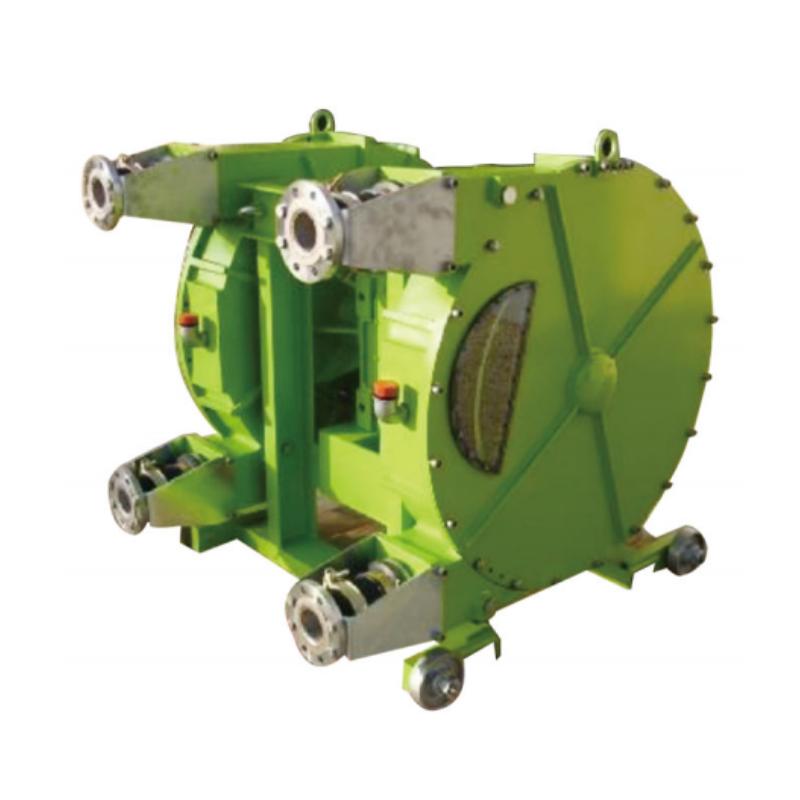
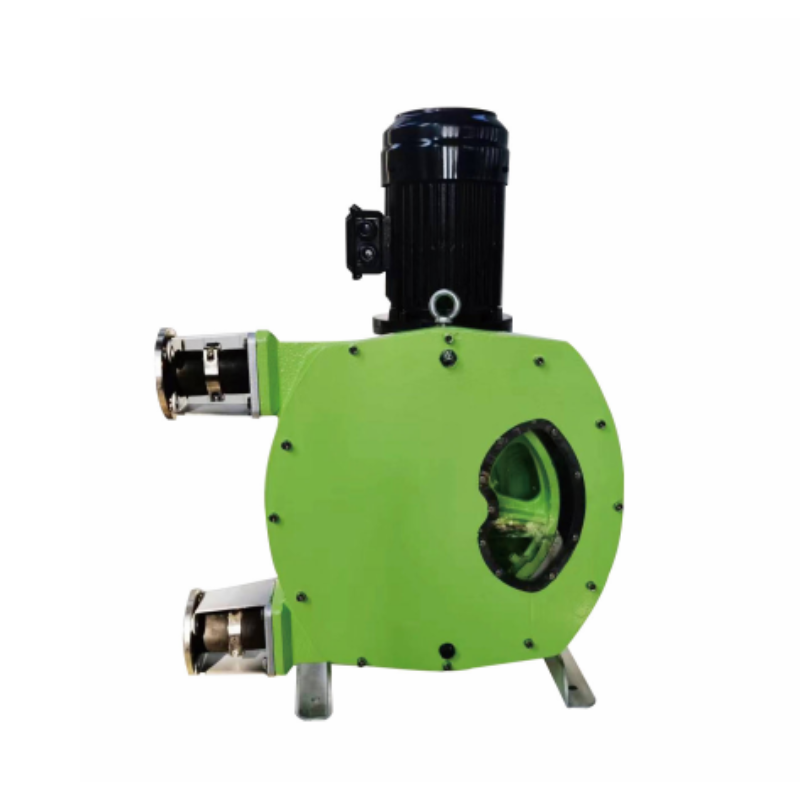
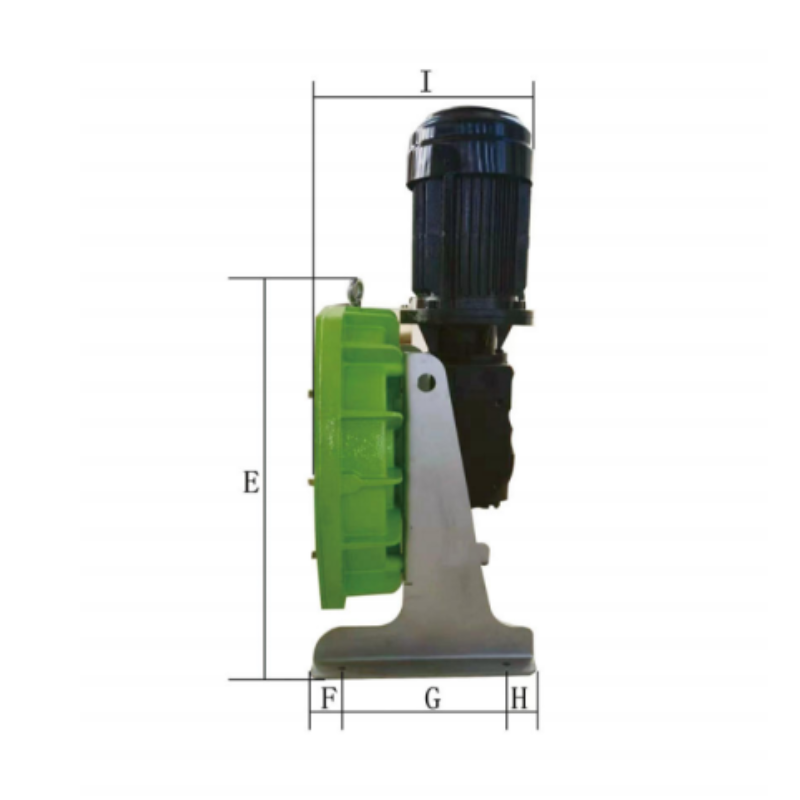
Heavy-Duty Industrial Peristaltic Hose Pumps

Heavy-duty flexible pumps are designed for transporting extremely corrosive and abrasive fluids with a solids content of up to 80%. They feature zero leakage, anti-wear and anti-clogging properties, strong self-priming, and extremely simple maintenance. Applications include ceramics, lithium battery new energy, flocculant dosing, food waste treatment, fine chemicals, and water treatment industries.

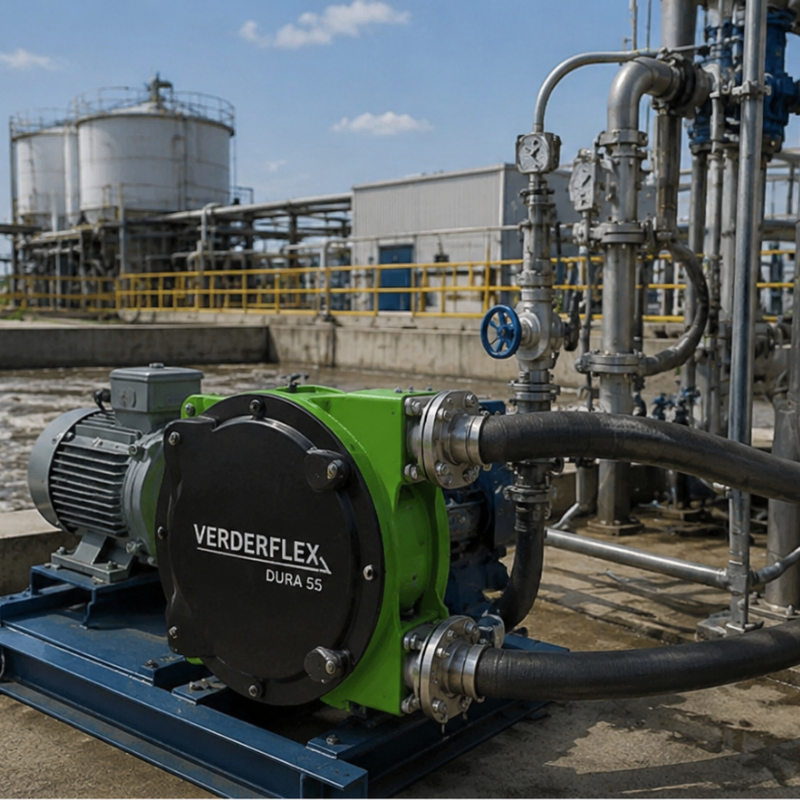
Heavy duty industrial peristaltic hose pump used for corrosive and abrasive slurry transfer in chemical, ceramic, lithium battery and water treatment industries
Heavy-duty hose pumps featuring zero leakage, wear and clogging resistance, strong self-priming, and extremely simple maintenance.
Heavy-duty flexible pumps used in industrial applications such as ceramics, lithium battery new energy, flocculant dosing, kitchen waste treatment, and water treatment.

Advantages of Heavy-duty flexible pump

Zero leakage and heavy slurry handling

The slurry does not pass through the pump chamber, but only circulates within the pump pipe, preventing corrosion and wear on the pump body and achieving zero leakage. There are no valves, dead angles, or gears inside the pipe, effectively preventing jamming. It can transport slurries containing up to 80% solids.

Long lifespan​

The mudisen rotor and pressure shoe/roller are CNC precision machined and feature an adjustable shim design, controlling hose compression accuracy to the millimeter level and extending hose life. The pump body incorporates heavy-duty support bearings to reduce lateral forces on the motor and protect the pump body.

Strong self-priming and bidirectional unblocking

The powerful rebound of the hose generates a strong pure vacuum suction, achieving an ultimate dry suction range of up to 9.5 meters without any priming water. The reversible design allows for the removal of blockages.

Multiple material options

Offers hoses made from natural rubber, EPDM rubber, nitrile rubber, and food-grade materials, flexibly suitable for various application scenarios.

Dual pump head design

Two pump heads share a single drive motor, doubling the flow rate while effectively reducing fluid pulsation.

Precise metering

Utilizing CNC precision machining and a finely adjustable gasket design, it achieves zero backflow, providing extremely accurate delivery of the medium.

Extremely simple maintenance

The hose is the only vulnerable part, and replacing it is easy and simple.

Anti-pulsation

Equipped with a pulsation damper, it absorbs more than 90% of the pulses, ensuring a smooth flow of slurry.
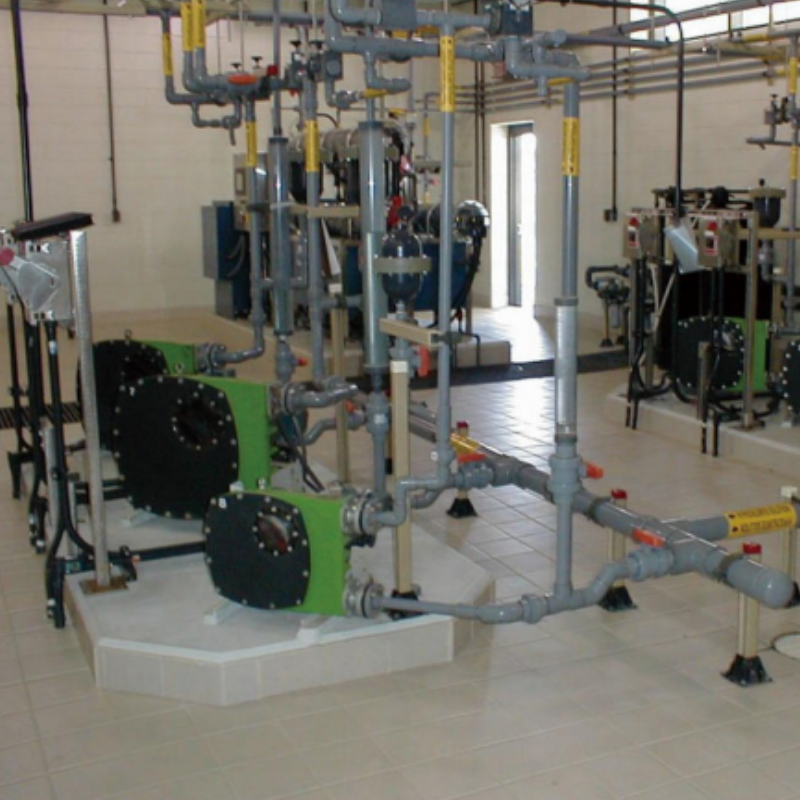
Technical Specifications

Basic parameters

运行参数 规格范围
额定流量范围 0.3 m³/h – 100.0 m³/h(支持双泵头配置)
最大出口压力 1.6 MPa / 16 Bar
最大含固量处理能力 最高体积占比 80% 的固体颗粒
最大极限干吸程 9.5 米(纯真空吸力)
工作温度范围 -20°C 至 +120°C(具体取决于软管材质)

Interface and driver configuration

Standard Flange Interfaces:DN25 to DN100 (customization available to ANSI/DIN/JIS standards).

Power Supply Standards:Three-phase, 380V/50Hz or 460V/60Hz.

Motor Protection: IP55/IP66 protection ratings and ATEX explosion-proof motor options available.

Control System: VFD compatible for absolutely precise flow control.

Hose material

• NR (Natural Rubber): Ideal for extremely abrasive media, mine tailings, and sludge (-20°C to 80°C).

• EPDM (Ethylene Propylene Dioxide): Perfectly suited for highly corrosive acids and extremely aggressive chemical solvents (-14°C to 90°C).

• NBR (Nitrile Butadiene Rubber): Designed for oily sludge and animal fat environments (0°C to 80°C).

• HNBR (Hydrogenated Nitrile Butadiene Rubber): Designed for high-temperature environments and hygienic food processing (0°C to 120°C).

Comparison of Heavy-duty flexible pump Models

Model Max Flow Suggested Flow Pressure Caliber
HRB-10 180 L/h 18–90 L/h 0.8 MPa pagoda 16
HRB-15 600 L/h 30–315 L/h 0.8 MPa pagoda 20
HRB-20 1020 L/h 102–535 L/h 0.8 MPa pagoda 25
HRB-25 2.2 m³/h 0.3–1 m³/h 1.6 MPa DN25
HRB-32 5.3 m³/h 0.8-2.3 m³/h 1.6 MPa DN32
HRB-40 9.6 m³/h 2-5 m³/h 1.6 MPa DN40
HRB-50 15.8 m³/h 3.5-10.3 m³/h 1.6 MPa DN50
HRB-65 22m³/h 8.3-16.7m³/h 1.6 MPa DN65
HRB-80 35 m³/h 13.3-18.9m³/h 1.6 MPa DN80
HRB-100 54 m³/h 21.6-37.2m³/h 1.6 MPa DN100

application of heavy-duty flexible pump

水处理厂污水输送系统中使用的气动隔膜泵
Water treatment industry
Heavy-duty flexible pumps are widely used in municipal sewage, industrial wastewater, and sludge treatment systems. They are commonly used for sludge transport, wastewater dosing systems, and pretreatment before sludge dewatering. Traditional pumps are prone to clogging when the sludge has a high solids content.
Food waste treatment industry
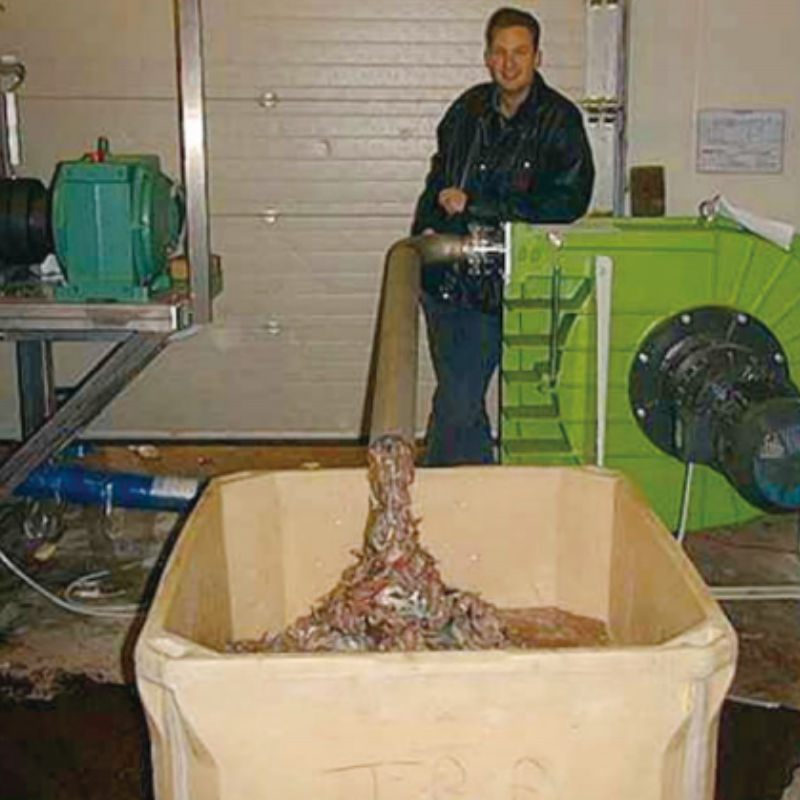
Food waste treatment processes often involve large amounts of high-viscosity organic slurry, solid-liquid mixtures, and easily entangled materials. Traditional pumps are prone to clogging, jamming, or severe wear. Heavy-duty flexible pumps, with their non-clogging design, can reliably transport materials containing fibers and particles.
Chemical slurry industry
In the chemical slurry industry, extremely high safety and leak-free operation are required, and the materials are sensitive to shear stress. Flexible hose pumps feature a leak-free delivery structure, and the hoses can be made of materials suitable for strong acid and alkali environments while possessing low shear capacity. Flexible hose pumps are widely used for conveying chemical reaction slurries.
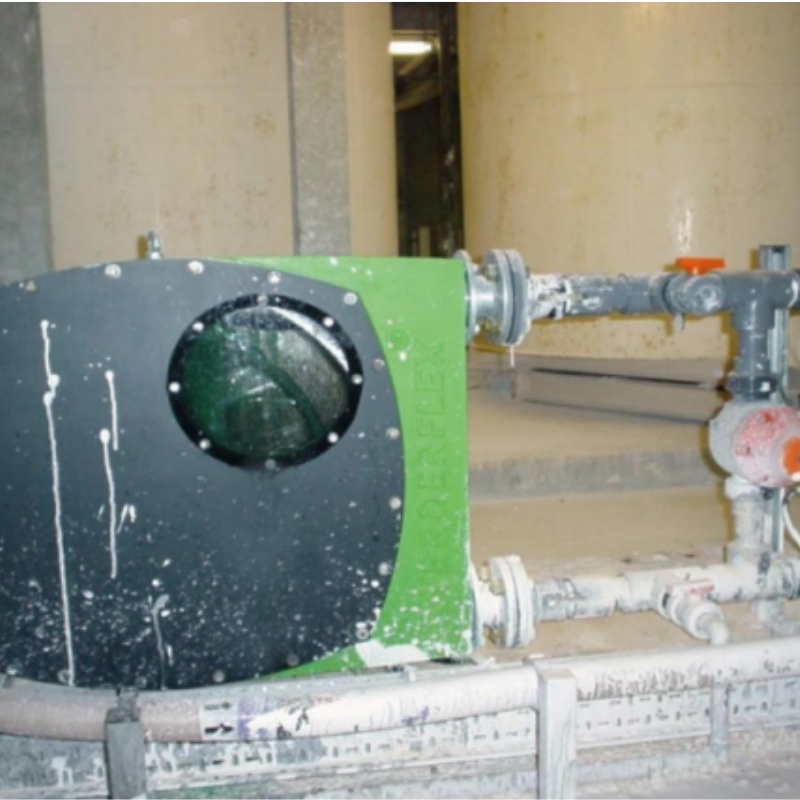
Air operated diaphragm pump used in ceramic slurry transfer industry
ceramics industry
In the ceramic production process, flexible hose pumps can reliably transport large quantities of slurry, glaze, and ceramic paste containing high solids content, and can accurately measure the volume. In contrast, traditional pumps are prone to severe wear, blockage, or unstable metering when transporting ceramic paste.
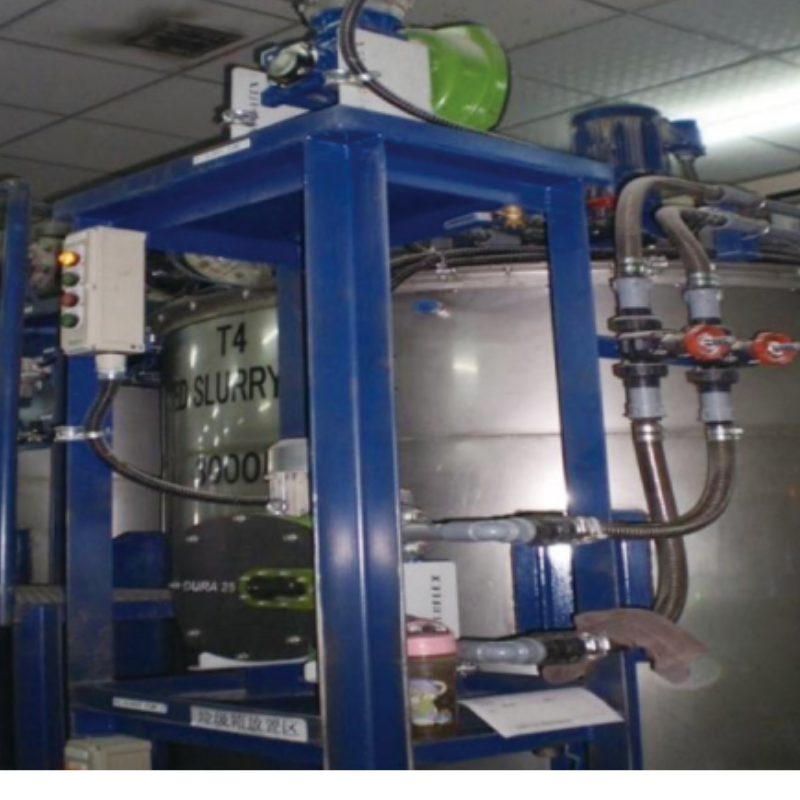
Diaphragm pump used for lithium battery electrolyte and slurry transfer system
Lithium Battery Industry
The slurries used in the preparation of lithium battery materials have characteristics such as high viscosity, strong abrasiveness, and sensitivity to pump shear. Flexible hose pumps can accurately deliver positive and negative electrode slurries (such as lithium iron phosphate and graphite slurries), mixtures of conductive agents and binders, etc., without damaging the slurry structure and avoiding metal contamination.
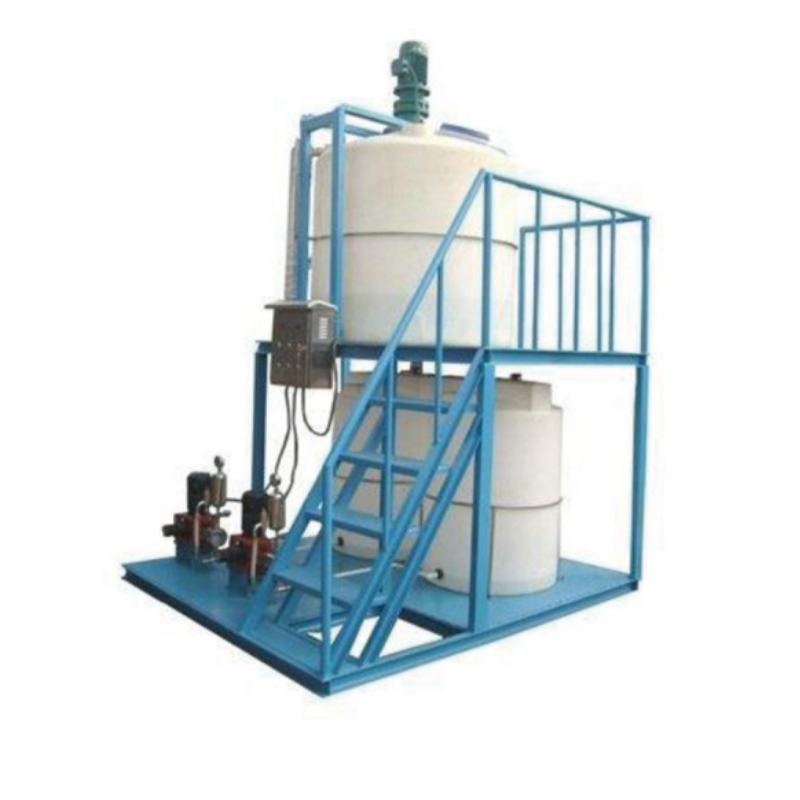
Diaphragm dosing pump used in flocculant chemical dosing system for water treatment
flocculant dosing field
In the field of flocculant dosing, high dosing accuracy is required, and traditional pumps are prone to backflow or unstable metering. Furthermore, these agents are typically high-viscosity, easily sheared, or easily foaming solutions. Heavy-duty flexible hose pumps offer advantages such as strong self-priming, accurate metering, and low shear force. Employing a backflow-free design, they can effectively handle high-viscosity and sensitive media, and are commonly used for flocculant (PAM, PAC, etc.) dosing and the metering and transportation of chemical additives.

Case Study

Case Background

A copper mine processing plant experienced slurry leakage when pumping highly abrasive tailings slurry with a solids content as high as 70% due to impeller wear and mechanical seal failure in the original centrifugal mud pump. It is estimated that the pump will need to be repaired every 3 weeks, resulting in a loss of approximately 8 to 10 hours of production time.

Solution


The original system was replaced with a Mudisen HXRB-80 heavy-duty hose pump, fitted with a durable NR (natural rubber) hose. This pump features CNC precision machining and a finely adjustable shim design, and is equipped with a pulsation damper and dual pump heads to reduce pulsations.

Results


Zero mechanical failures: Eliminates mechanical seal leakage and impeller corrosion issues.
Downtime reduced by 98%: The number of vulnerable parts is reduced to just one—the hose—and maintenance time is reduced from 8 hours to 15 minutes.
Improved stability: Smooth and continuous delivery of 70% high-density sludge without clogging or dry-running damage.

Frequently Asked Questions

What is a heavy-duty hose pump?

Heavy-duty hose pumps are positive displacement pumps that deliver fluid by periodically squeezing abrasion-resistant hoses using rollers or briquetting blocks. This design ensures that the medium flows only within the hose, avoiding contact with the pump body, thus eliminating problems such as leakage, clogging, and corrosion. They are suitable for transporting highly abrasive, high-viscosity, or solid-particle-containing materials.

What is the maximum solids content that the HXRB heavy-duty hose pump can handle?

It can pump abrasive slurries with a solids content of up to 80% by volume without the risk of clogging or mechanical failure.

How long does it take to replace the hose?

The hose is the only vulnerable part of the entire pump, and now a single operator can complete the task within 15 minutes.please check our Chemical Resistance Guide

What are the differences between heavy-duty hose pumps and centrifugal pumps?

Heavy-duty flexible hose pumps utilize a squeeze-type positive displacement method, completely isolating the medium within the hose and eliminating reliance on impellers or mechanical seals. Centrifugal pumps, on the other hand, rely on a high-speed rotating impeller to generate power for liquid transport. When conveying materials containing solids or high viscosity, centrifugal pumps are prone to clogging, wear, or efficiency reduction. Flexible hose pumps, due to their valveless design, maintain a stable flow rate.

When should you choose a heavy-duty hose pump instead of a centrifugal pump?

The core of pump selection is matching process requirements, media characteristics, and pump performance. Heavy-duty flexible hose pumps are more advantageous for handling high-viscosity, solid particle-containing, highly abrasive, toxic, shear-sensitive, or easily damaged materials, and are commonly used in harsh environments such as mining, chemical, wastewater treatment, food, and pharmaceutical industries. Centrifugal pumps, on the other hand, are better suited for handling large-flow, low-viscosity clean liquids (such as clean water and large-scale water treatment) and continuous, high-efficiency operation scenarios. Pump selection is a systematic project; please provide detailed information so we can provide you with a more targeted analysis.

How to improve the operational reliability and service life of heavy-duty hose pumps?

The reliability and lifespan of a pump primarily depend on three aspects: pump design, selection, and subsequent maintenance. Pump design incorporates high-strength cast iron/alloy steel/stainless steel bodies and heavy-duty bearings. Hose is made of wear-resistant, pressure-resistant, and corrosion-resistant materials. Furthermore, optimized extrusion structures, precise clearance adjustments to reduce hose wear, and the inclusion of intelligent monitoring systems enhance reliability and extend lifespan. Pump selection should strictly adhere to media characteristics and process requirements to avoid overloading or operating beyond the appropriate capacity. In subsequent maintenance, regular hose replacement, bearing lubrication, fastener inspection, and cleaning of the pump body and piping are essential to transforming unexpected failures into a manageable maintenance plan, thereby improving overall availability.

What are the main advantages of heavy-duty hose pumps?

Heavy-duty hose pumps have advantages such as: leak-free operation, dry running capability, strong self-priming, simple maintenance, stable flow rate, and accurate metering.

Are different materials available for heavy-duty hose pumps?

Heavy-duty hose pumps typically offer a variety of hose and pump body materials, including: natural rubber (abrasion resistant), EPDM (chemical corrosion resistant), NBR (oil resistant), and fluororubber (highly corrosive environments). Specific materials can be selected based on the abrasion resistance, corrosion resistance, and temperature conditions of the medium. For detailed inquiries,please contact us.

Get In Touch
Find Us
Follow Us

Send us a message

More than sourcing,we build friendships!