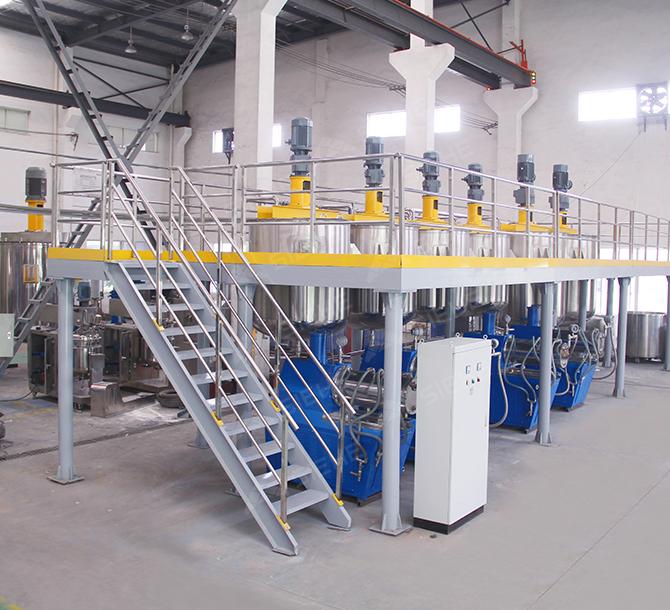
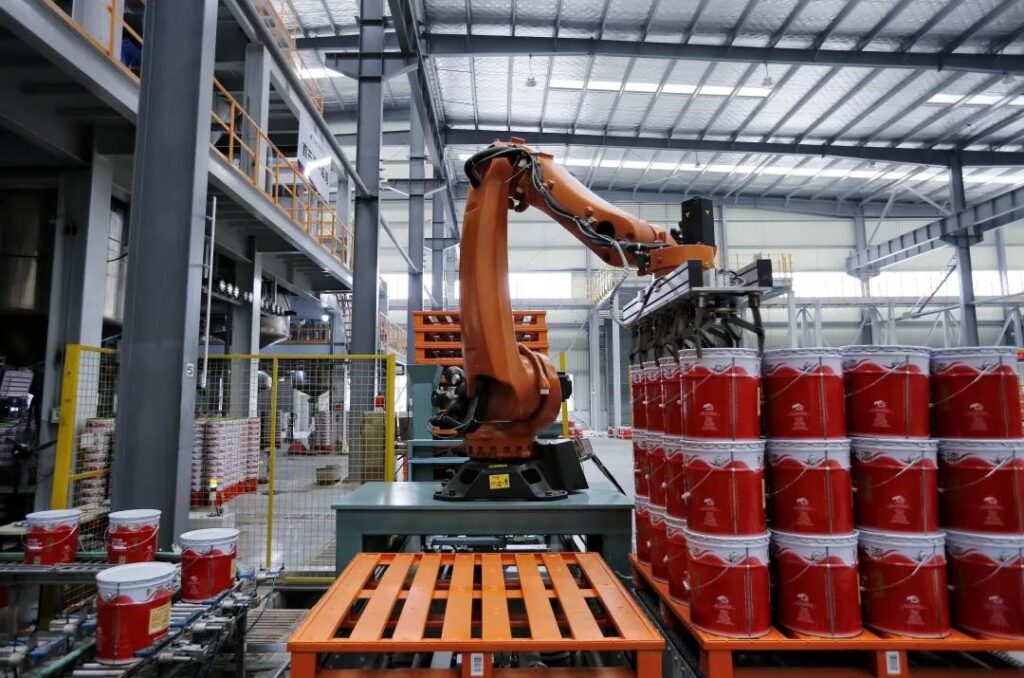
The coatings industry is dedicated to producing materials applied to object surfaces for protective and decorative purposes. The general production process involves raw material proportioning, dispersion and grinding, paint blending, and filtration and filling—steps that all rely on industrial pumps for material transfer. Currently, the industry faces significant challenges regarding pump selection, high overall costs, and substantial pressure related to safety and environmental protection.
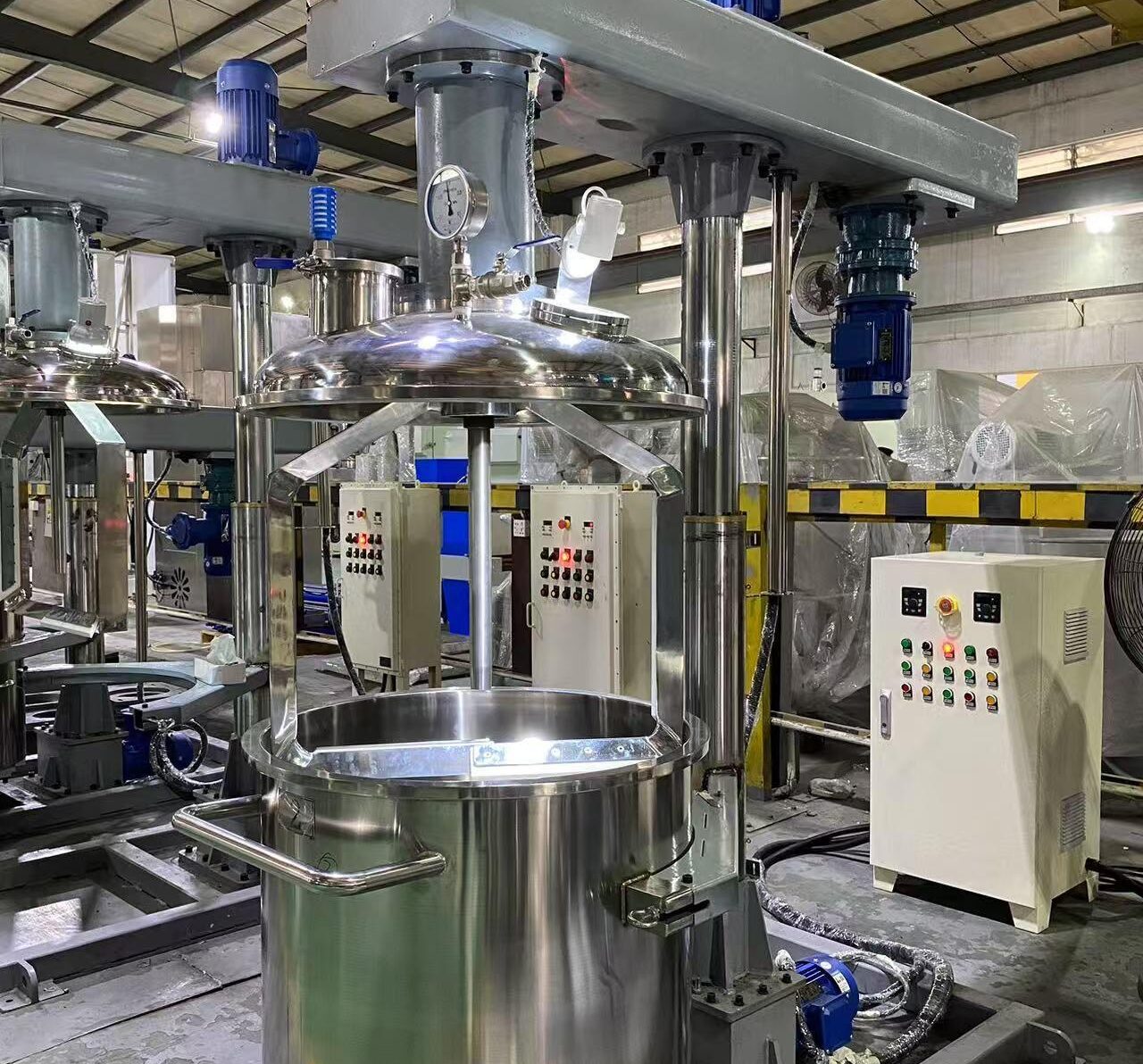
Charge the resin, pigments, solvents, additives, and other ingredients into the dispersion tank according to the formula; these raw materials are typically highly corrosive and toxic.
Start high-speed stirring in the dispersion tank to initially break up and wet the pigment, forming a thick pigment paste.
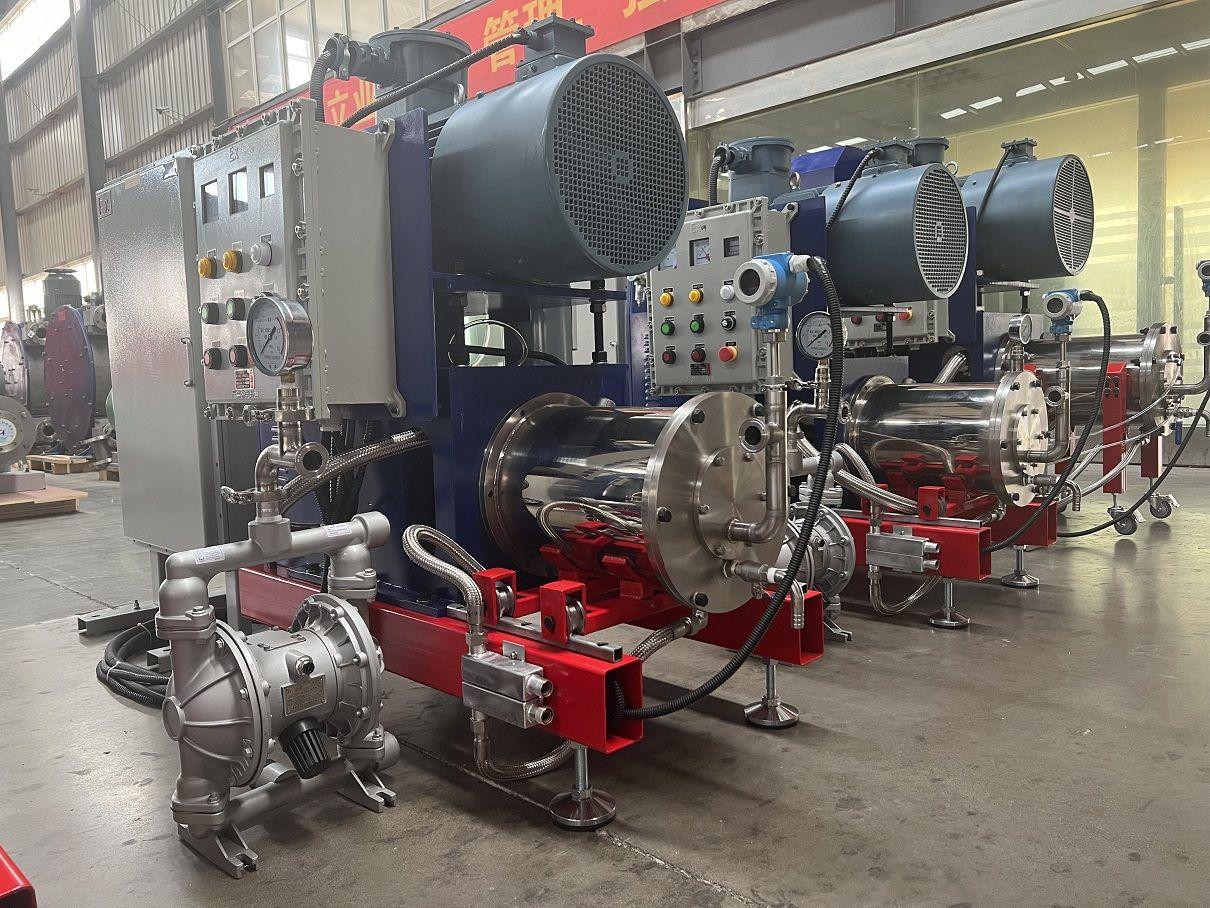
Transfer the pigment paste to a sand mill or ball mill for grinding; typically, it is returned to the dispersion tank and subjected to further grinding cycles.
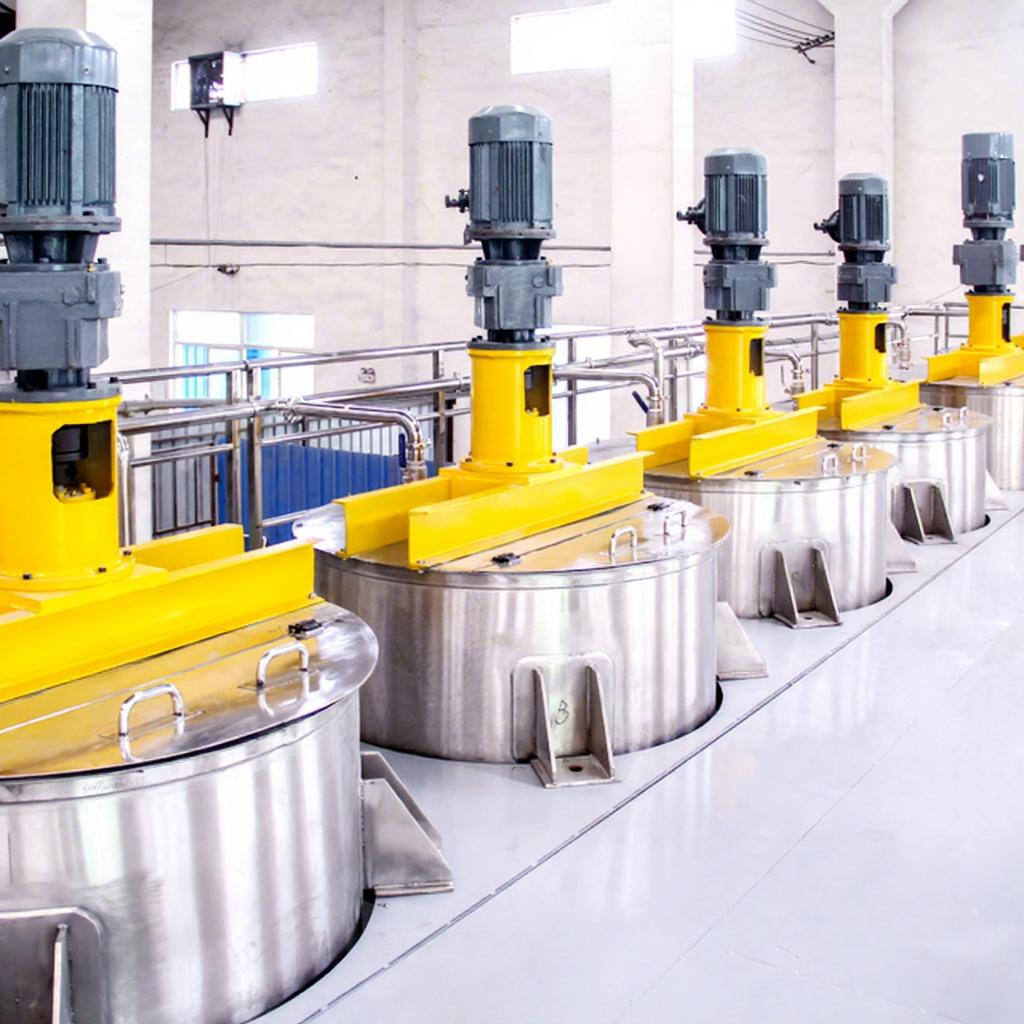
The milled color paste is transferred to a mixing tank, where various ingredients are added in specific proportions to precisely adjust the paint’s color, viscosity, gloss, and other properties.
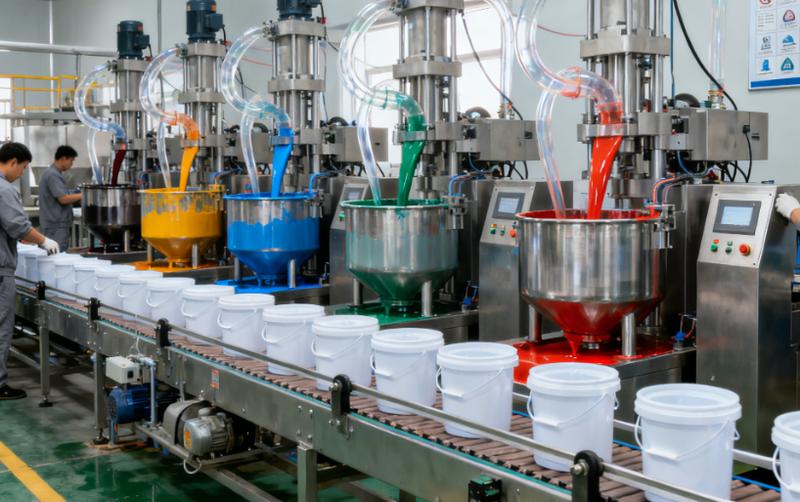
The blended paint is passed through a bag filter or plate filter to remove impurity particles, yielding the finished paint for canning.
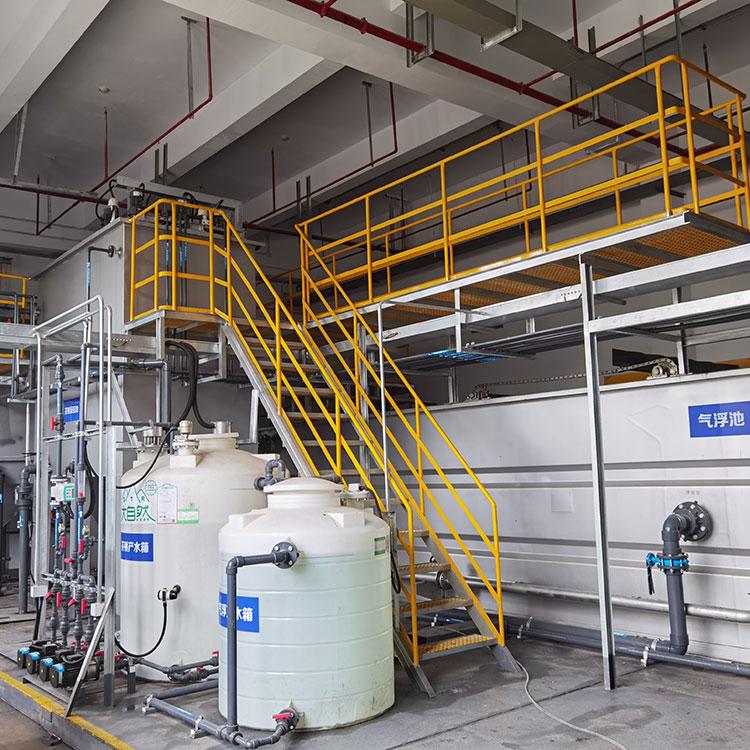
Treat the pigment-containing waste residue and cleaning wastewater generated by cleaning equipment and filtration machines.
The wide viscosity range of coatings and paints—spanning from base resins to pigment pastes—combined with the diversity and complex characteristics of the raw materials, necessitates precise pump selection. The complexity of these raw materials manifests in the following ways:
(1) Tendency to settle and clog: High-viscosity and particle-laden coatings are prone to sedimentation and clogging within pump chambers and pipeline dead zones.
(2) High corrosivity and abrasiveness: Inorganic fillers, such as titanium dioxide, are highly abrasive, causing rapid wear on wetted parts (impellers, pump casings, and seals).
(3) Flammability, explosiveness, and volatility: Many organic solvents are volatile and flammable, imposing stringent requirements on the explosion-proof capabilities and sealing integrity of transfer pumps and piping networks.
(4) Shear sensitivity: When transferring fluids containing high-molecular-weight polymers or nano-scale dispersed particles—such as water-based emulsions, HEC/HASE thickener solutions, or aqueous wax emulsions—conventional pumping processes may disrupt the fluid structure.
Paint production involves large quantities of volatile and flammable organic solvents; conventional electric pumps are prone to generating electrical sparks, posing an explosion risk. Stringent environmental regulations regarding VOC emissions have made leak-free, low-volatility pumping solutions an absolute necessity.
Key raw materials—such as resins, titanium dioxide, and solvents—experience frequent, significant price fluctuations, and environmental compliance costs are high; consequently, there is an urgent need to strike a balance between the performance and cost of transfer pumps.
To address the pain points associated with coating fluid delivery, optimizations are primarily implemented through the correct selection of pumps, proper routine maintenance, and intelligent upgrades.
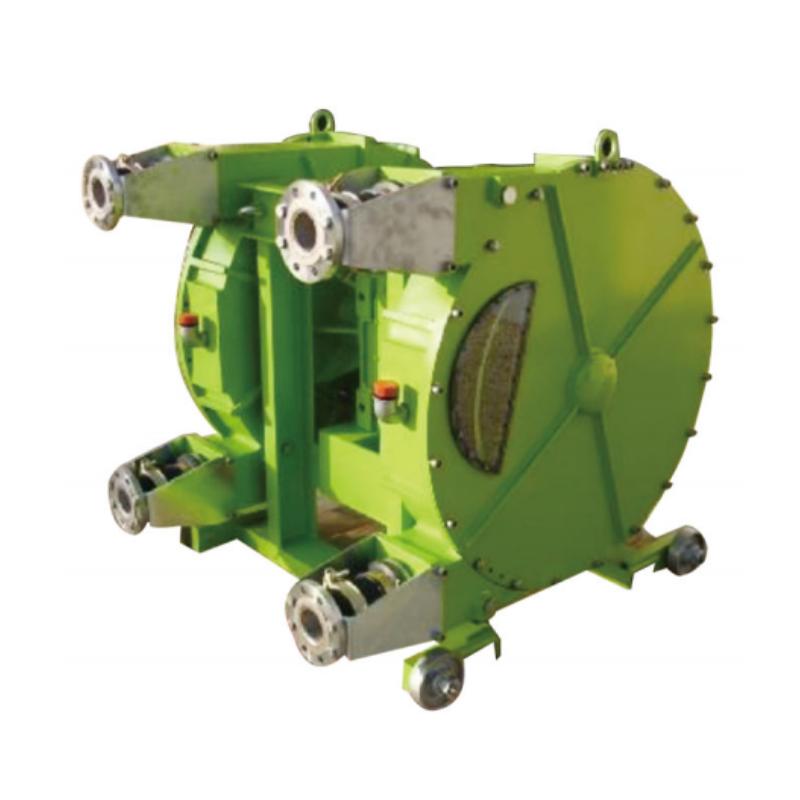
High-viscosity coatings: For high-viscosity materials such as high-build coatings and putties, screw pumps or peristaltic pumps are preferred; they ensure stable flow and low shear while handling high-viscosity fluids that may contain particulates.
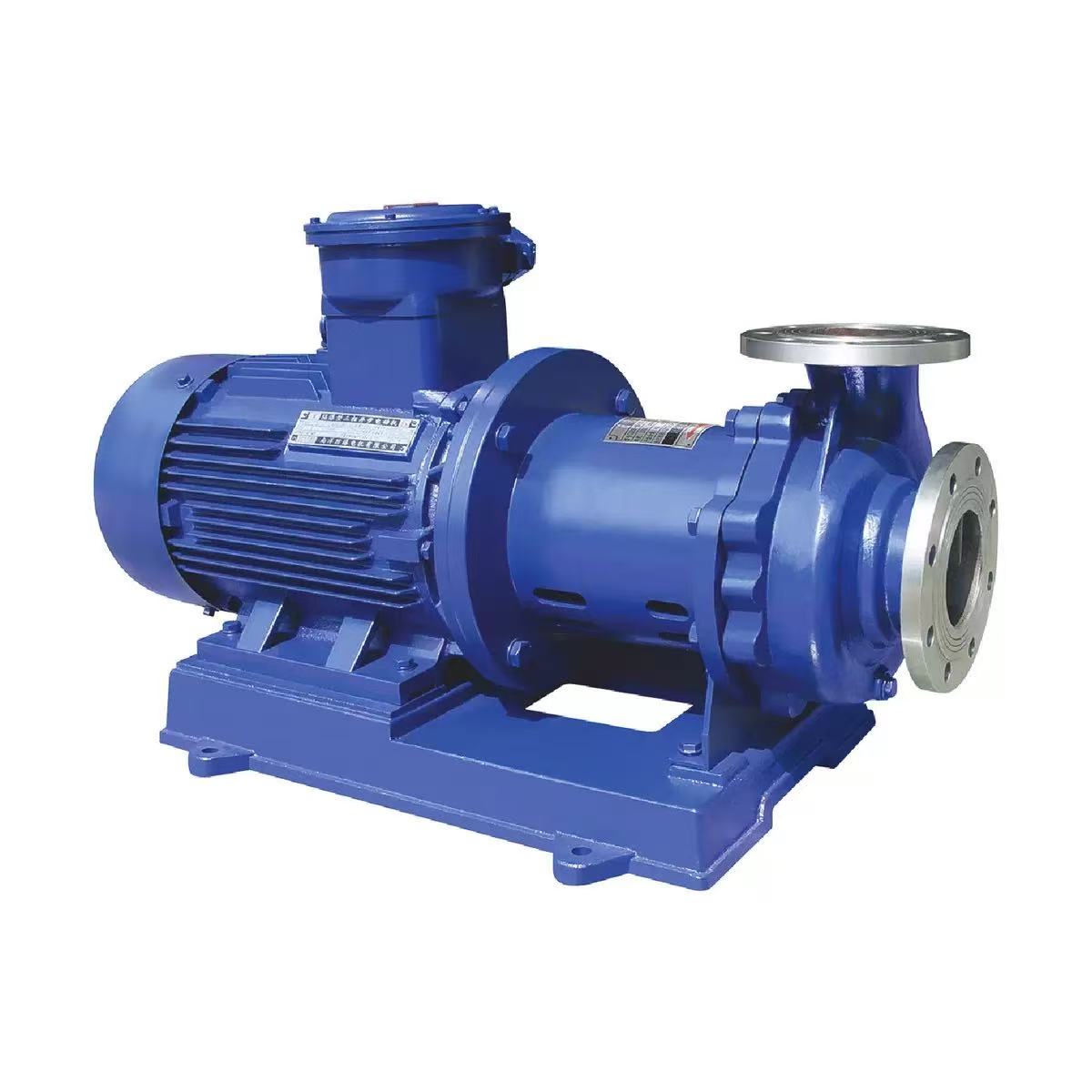
Highly corrosive coatings: For corrosive media such as resins and solvents, magnetic drive pumps or fluoroplastic-lined pumps are suitable; the seal-less design of magnetic drive pumps ensures zero leakage and excellent corrosion resistance.
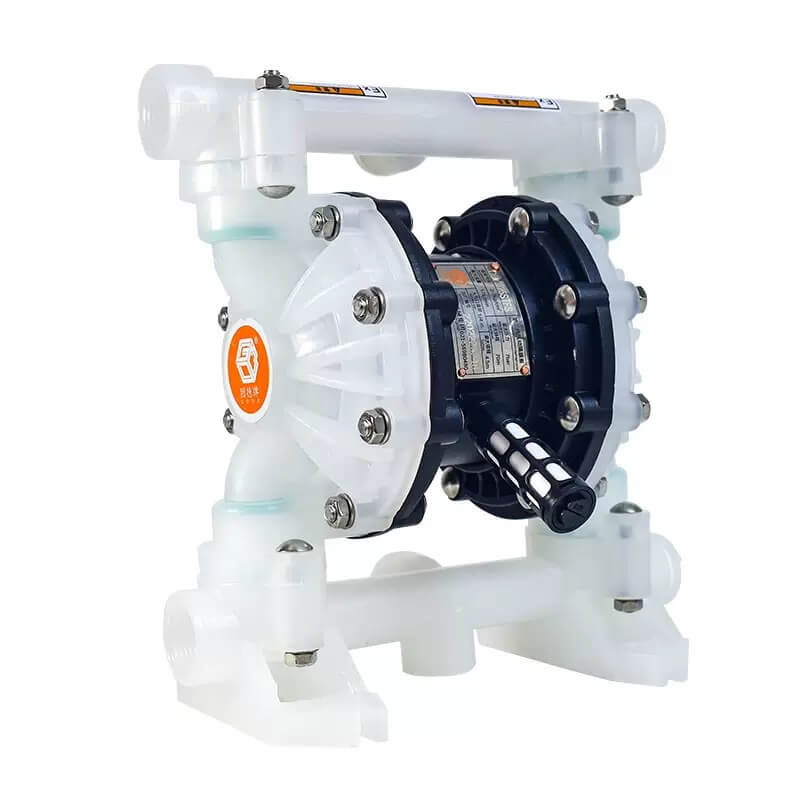
Flammable and explosive coatings: For flammable and explosive organic solvents—such as esters, ketones, and alcohols—pneumatic double-diaphragm pumps are recommended; as they do not require an electric motor and pose no risk of electrical sparks, they eliminate the risk of explosion at the source.
Shear-sensitive coatings: For shear-sensitive materials prone to emulsion breakdown or foaming—such as water-based coatings or latex—low-shear hose pumps are recommended; since the material flows only within the hose and is propelled by the gentle squeezing action of rollers or shoes, the internal structure of the fluid remains intact.
Regularly clean the filter screen; periodically check for leaks, vibration, and the condition of diaphragms/seals; and regularly inspect oil levels and quality. Thoroughly clean the pump body with a diluent before changing materials to prevent spoilage caused by the mixing of different components.
In terms of energy efficiency, the installation of a variable frequency drive allows the pump to automatically adjust its speed based on actual flow demand, thereby saving energy. Regarding remote monitoring, the addition of flow, pressure, and temperature sensors enables early warnings for issues such as blockages, wear, and overheating, which reduces unplanned downtime and lowers costs.
Pneumatic diaphragm pumps feature explosion-proof capabilities, corrosion resistance, low shear force, and strong self-priming ability; they are capable of handling high-viscosity fluids and materials containing particulates, making them ideal for processing high-viscosity, particulate-laden, flammable, explosive, and corrosive substances. Applications include the transfer of finished paints, resins, color pastes, titanium dioxide slurries, pigment dispersions, additive mixtures, and flammable organic solvents; they are also widely used in painting processes.
Pneumatic diaphragm pumps are most commonly used in painting operations; they are also widely employed for material transfer in processes such as pigment grinding and slurry preparation, feeding mixing tanks, and transferring fluids between tanks.
First, understand the properties of the medium, such as the coating's viscosity, solids content, corrosiveness, and temperature requirements. Next, define the process parameters, including flow rate, head/pressure, and transfer distance. Environmental requirements must also be taken into account—factors such as explosion-proof standards, process temperatures, workshop humidity, ease of cleaning and material switching, and installation space. Finally, select the appropriate pump type, materials of construction, and sealing system. Pump selection is a complex, systematic process;please consult a professional engineer for assistance
1. Pneumatic diaphragm pumps are widely used for tasks such as raw material/colorant transfer and spraying. Driven by compressed air, they are explosion-proof and spark-free; additionally, they offer corrosion resistance, the ability to run dry, and ease of maintenance.
2. Gear pumps feature a rotary positive-displacement design that delivers a stable, pulsation-free flow. They are suitable for conveying high-viscosity paints and coatings, ensuring uniform atomization.
3. Screw pumps provide smooth flow with low shear and are resistant to clogging, making them ideal for long-distance transfer. They are primarily used for high-solids, high-viscosity, heavy-duty anti-corrosion, and high-build coatings, though maintenance costs are generally higher than those of diaphragm pumps.
4. Metering pumps are characterized by their precise dosing capabilities and are commonly used in color mixing and ingredient proportioning processes.
More than sourcing,we build friendships!