
Frequently Asked Questions
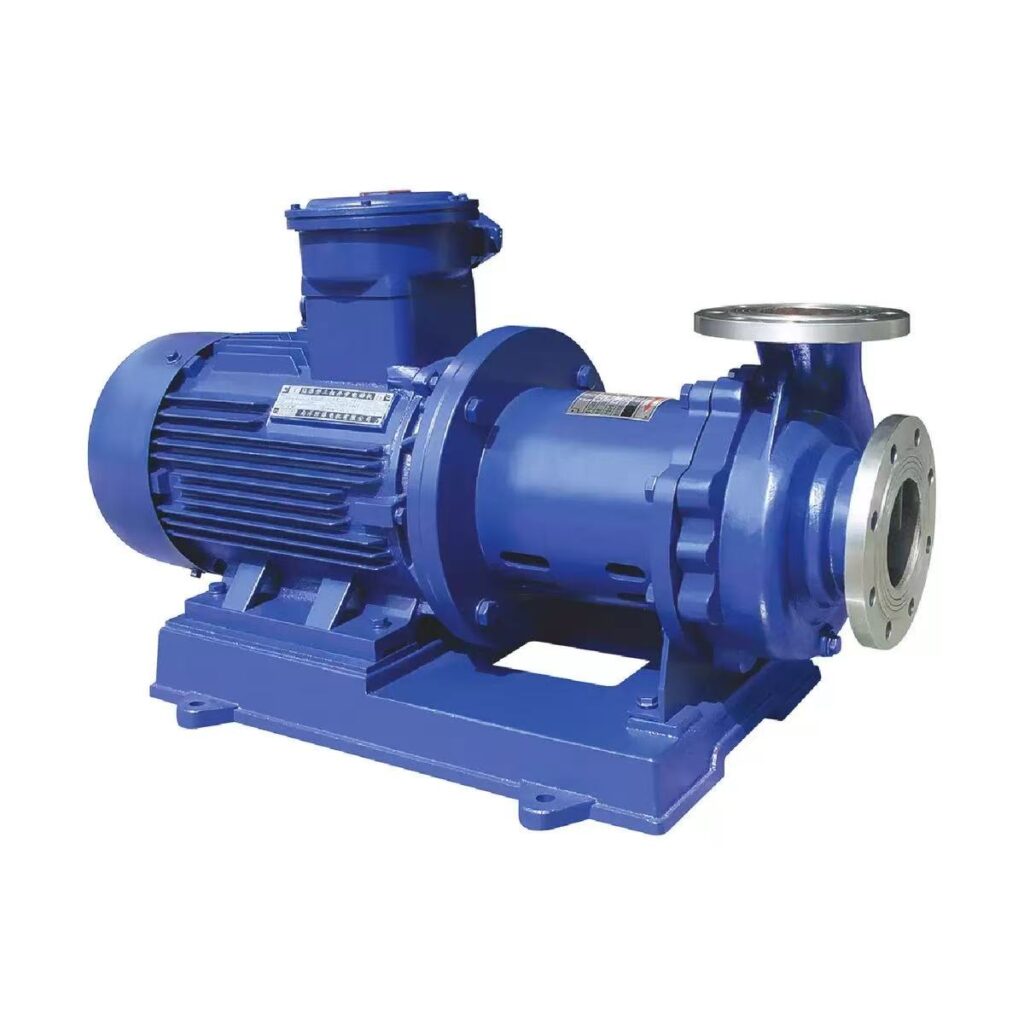
Can magnetic drive pumps handle all corrosive liquids?
No. For instance, 304 stainless steel has poor resistance to reducing acids such as hydrochloric acid and sulfuric acid, particularly at higher concentrations and temperatures. Transporting highly corrosive media requires upgrading to 316L stainless steel or using fluoroplastic linings. Therefore, the material must be selected specifically based on the medium being handled.
What are the most important factors to consider when selecting a magnetic drive pump?
Four key parameters must be primarily considered:Medium composition and concentration: Determines the material for wetted parts. Temperature: Directly affects magnetic assembly performance and material corrosion resistance.Flow rate and head: Operating at a flow rate consistently below 30% of the rated value can lead to insufficient cooling.Presence of solid particles: If particles are present, a strainer or magnetic filter is required. Pump selection is a complex, systematic process, please consult a professional engineer for assistance.
What should be kept in mind when operating a magnetic drive pump, or what is the most critical operational precaution?
Dry running is the greatest risk. Magnetic drive pumps rely on the pumped liquid to cool the inner magnetic rotor and lubricate the bearings; if dry running occurs, the temperature rises sharply, causing rapid demagnetization of the magnets and potential burnout of the containment shell.
What causes the pump to suddenly slip and stop turning?
There are three common causes: First, the temperature of the medium is excessively high, exceeding the thermal limit of the magnetic material (typically ≤120°C for NdFeB). Second, the specific gravity or viscosity of the medium is too high, causing the load to exceed the capacity of the magnetic coupling. Third, foreign matter has entered the pump and jammed the rotor, or bearing wear has resulted in friction.
Can it operate for an extended period with the discharge valve closed?
No. Continuous operation with the discharge valve closed must not exceed 2 minutes; otherwise, the magnetic drive will fail due to overheating.
What should be done if a magnetic drive pump "demagnetizes"?
Demagnetization is typically caused by high temperatures, dry running, or severe cavitation. Preventive measures include: first, ensuring the pump chamber remains filled with the medium at all times and strictly prohibiting dry running; additionally, selecting an operating point close to the rated conditions. Second, a platinum resistance temperature sensor can be installed on the outer surface of the isolation sleeve to monitor temperature rise. Finally, if demagnetization occurs, the manufacturer must be contacted to replace the magnetic coupling assembly.
How do I troubleshoot a magnetic drive pump that is failing to deliver liquid?
- Generally, check in the following order: 1. Check the suction line for air leaks or blockages. 2. Ensure there is sufficient priming liquid inside the pump (priming is required for the initial start-up). 3. Check for the correct pump rotation direction (incorrect wiring is common after motor replacement). 4. Check if the suction lift exceeds the pump's permissible range. If none of the above issues are found, the pump must be disassembled to inspect the pump shaft, the rotating and stationary seal rings, and the bearings.
What are the key points for the daily maintenance of magnetic drive pumps?
Periodically check for bearing wear and replace as necessary.
Inspect the containment shell for cracks or leaks.
Clear impurities and foreign objects from the piping.
For pumps out of service for extended periods, rotate the shaft periodically to prevent bearing adhesion.